How Gambling Changes the Way We Think About Money
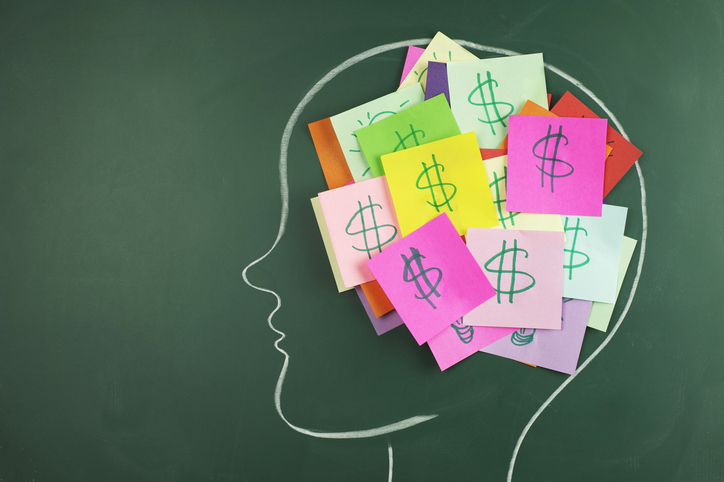
How Gambling Changes the Way We Think About Money
Gambling affects more than just our finances. It reshapes how we think about money by altering
our brain’s reward systems, distorting our perception of risk, normalizing gambling behavior, and
encouraging irrational financial behaviors and beliefs.
It can make losses feel less painful, wins feel disproportionately meaningful, and money itself feel more like points in a game than real resources. As a result, gambling changes our relationship with money, which encompasses our thoughts, beliefs, attitudes and behaviors related to money. With increased accessibility and social visibility, gambling becomes normalized as a part of life. These shifts and changes in thinking are even likely when a person has previously had a healthy relationship with money or has no history of money issues. Often those who are financially savvy or even work in the finance field experience these changes in thinking and behaviors from problematic gambling.
Gambling is not an issue of self-control and does not discriminate based on education or
knowledge. Over time, gambling can shift our financial mindset, decision-making and risk
tolerance. While this experience can often feel hopeless and difficult, there are steps one can
take to assist in establishing a healthier money mindset and improving their overall relationship
with money.
What do we mean by “relationship” with money?
In general, our relationship with money is both what we believe money does for us and how we
behave when we have it or when we don’t.
Our relationship with money includes behavioral and emotional factors that influence our financial actions, behaviors and circumstances. It is built from our money beliefs or scripts that are typically rooted in our childhood.
Our beliefs and experiences then influence how we earn, save, spend, and invest, which ultimately determines our financial circumstances. With self-awareness and appropriate support, we are able to redefine our relationship with money. We can then change our beliefs, behaviors and emotions connected to money.
Financial wellness begins with recognizing money as a source of empowerment that maximizes physical, mental, emotional, and social well-being by improving financial health.
Signs That Gambling Has Changed Your Relationship with Money
● Money does not feel real: “It’s just numbers.”
● You redefine money: Gambling money vs real money. Winnings feel separate from
earnings.
● You negotiate with yourself: “Just until I’m even.”
● You avoid looking at bank accounts because it spikes anxiety.
● You omit details in conversation with someone who shares life/bills with you.
● The value of a dollar has changed: $200 does not have value on its own. It doesn’t feel
like “enough” to do anything with. Winning $800 does not feel the same as getting an
$800 paycheck.
● Believing that one big win will correct all of your financial problems.
How Gambling Changes our Relationship with Money
By recognizing our framework for what money means to us, we then can see how these beliefs,
thoughts and emotions related to money are significantly impacted by gambling.
One way gambling changes the way we think about money is by making money less tangible. By converting actual money into gambling chips, digital bets, credits or tokens, we feel less
attached to it. We lose the tactile and visual cues of spending. It is easier to keep going when
money feels like numbers and not bills. This tokenization reduces the weight of spending and
makes it easier to bet large sums of money.
Spending money should hurt, but this tokenization process takes away the pain. When this occurs, we lose touch with how this negatively impacts paying our bills and covering real life costs. Overall, money becomes less tangible and the separation of “gambling money” versus “real money” occurs.
“Gambling money” being what is used for gambling and “real money” used for paying for food, shelter, bills. These buckets of money do not intersect until gambling money runs low and then real money is used to gamble.
Money won is not “real money” and is easily justified as a means to keep playing and not a resource to fund the things you need in your life.
The value of the dollar becomes lost and our framework for the meaning of money shifts.
Gambling also alters the brain’s reward system by affecting the release of dopamine (the “feel-
good” chemical). Both wins and losses trigger dopamine in ways that distort value. The brain
releases dopamine not only when we win, but also when we lose. Similarly, dopamine also
spikes with a near-miss which then negatively impacts the brain’s ability to calculate long-term
loss (as it is more focused on getting that dopamine spike).
This reinforces the behavior and keeps people playing. With gambling offering unpredictable wins, the brain starts to overvalue the possibility of winning and undervalue the certainty of losing. The dopamine-driven excitement of the game can derail even the most disciplined financial judgment. People are then more likely to chase losses or take more risk in effort to win, distorting their judgment about money. Money may become a tool for chasing emotional highs rather than a means for survival.
More specifically, this process contributes to chasing losses. After losing, people feel compelled
to continue gambling to win back what they lost. This again shifts how money is viewed. Money
becomes a way to undo mistakes rather than as a necessary resource. Losses feel temporary.
Over time, this cycle can reinforce impulsive spending/gambling and riskier financial decisions.
As gambling behavior continues, our risk tolerance changes. Our perception changes, making
risk feel more normal. Betting larger amounts or betting more frequently becomes the norm over
time. Similar to altering the brain reward process, uncertain outcomes can make high-risk bets
feel exciting rather than anxiety-provoking and unpredictable. People also begin to develop a
false sense of control over the game or belief that they have some sort of skill rather than
seeing betting as pure chance.
All of these patterns can lead to emotional and financial stress, which can increase urges to
gamble. The cycle begins – financial losses create stress, the stress fuels the urge to gamble,
and gambling leads to even greater losses. As this cycle persists, financial priorities tend to shift
from long-term stability to short-term relief or escape. Gambling becomes a way to numb out or
avoid stress.
Gambling also can become a habit in behavior that is difficult to stop. Money becomes
connected to emotional regulation rather than practical needs. Also, some may then experience
impulsive financial decisions, borrowing money from others or being unable to pay necessary
expenses. This then amplifies the stress we can experience as it leads to relationship stress,
secrecy and shame all while changing our relationship with money.
People come to the realization that change is needed at different moments in their experience
with gambling. Once we see that our relationship with money is hurting us, we can start
reshaping our self‑talk and opening ourselves up to getting support. We can create a foundation
for change by engaging in positive self-talk, no longer judging ourselves, being honest with
ourselves and asking for help when we need it. If we do our best to create a healthy mental and
physical environment for change, we can begin to build a healthier relationship with money.
Here are some healthy money habits to adopt. You do not need to practice them all at once.
Select 2-3 that sound the most interesting to you and start with those. Add more as you go.
1. Review credit card statements for mistakes
2. Open and pay bills when they arrive
3. Carry a limited amount of cash
4. Don’t overspend on gifts
5. Never impulse buy
6. Use a shopping list
7. Never assuming past performance guarantees future results
8. Pay yourself first (automatic deductions)
9. Make a budget/ keep to your budget
10. Paying online when possible
11. Save part of your income
12. Read the fine print
13. Have an emergency fund
14. Increasing 401(k) contributions every time you get a raise
15. Avoid late payments (unnecessary fees)
16. Pay more than the minimum on all credit cards
17. Spending less than you earn
18. Know your spending triggers
19. Auto schedule bill payment
20. Spend one hour per week with your finances
In addition to creating healthy money behaviors, there are other ways to gain support. Financial
counseling is a resource to help create financial safeguards and give you direction in rebuilding
your relationship with money. Therapy can also help guide you in shifting a fixed money mindset
to a growth money mindset. Seek professional support.
Be patient with yourself as you start this process. New habits take time to build, and the benefit
is not usually immediately noticeable. Celebrate every small step — they’re bigger than they
seem. Keep going. With time, the new behavior will feel more natural, and you’ll start to see just how far you’ve come.


.png)